


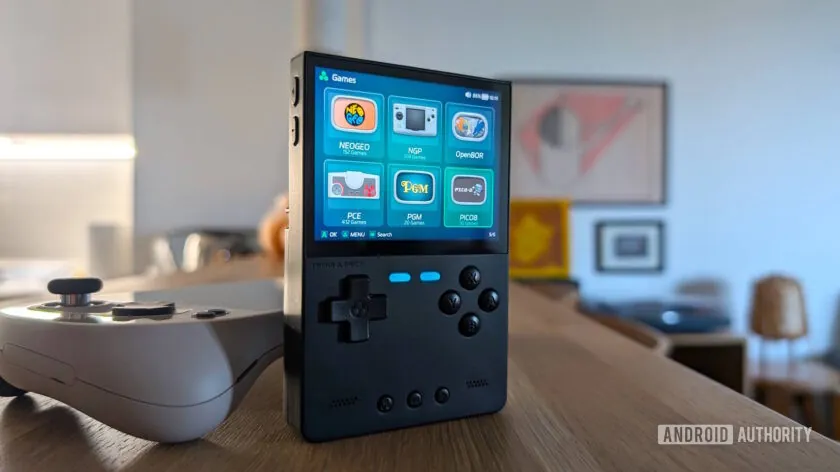
The rise of gaming handhelds has transformed a niche hobby into a thriving trend among gamers. If you’re considering joining the handheld gaming world, the first crucial decision is choosing the operating system: Linux-based or Android-based handhelds. Each platform has distinct advantages, and the right choice depends on your gaming needs, budget, and technical preferences.
Why Choose Linux-Based Gaming Handhelds?
Linux handhelds are a top choice for budget-conscious gamers seeking retro gaming experiences without sacrificing performance. These devices are known for affordability, efficiency, and ease of setup, making them ideal for beginners.
Key Features of Linux Gaming Handhelds
- Affordable Pricing: Most Linux handhelds, like the TrimUI Smart Pro, feature low-power chips ranging from $30 to $100, offering cost-effective gaming solutions.
- Pre-Configured for Retro Gaming: Many Linux handhelds come with emulators and ROMs pre-installed, allowing you to dive into gaming with minimal setup.
- Customization Options: With open-source operating systems, users can experiment with third-party Linux forks like MinUI, KNULLI, or Batocera to tailor the device to their needs.
- Outstanding Portability: Features like suspend and resume functionality make Linux handhelds perfect for quick gaming sessions on the go.
Limitations
- Lack of Power: Linux handhelds struggle with more demanding platforms like Nintendo Switch or PlayStation 2 emulation.
- Basic Hardware: While efficient, these devices lack premium features like OLED screens or high-end materials.
Best Fit For:
Linux handhelds are perfect for retro gamers, tinkerers, or anyone seeking a plug-and-play gaming experience without breaking the bank.
Why Choose Android-Based Gaming Handhelds?
If you’re looking for powerful performance and access to modern games, Android handhelds offer a compelling package. With advanced hardware and greater flexibility, Android devices cater to users seeking premium experiences.
Key Features of Android Gaming Handhelds
- Superior Performance: Starting at $80 and scaling up to $500+, Android devices can emulate demanding systems like PlayStation 2 and even handle modern Android games.
- Premium Build Quality: High-end models like the AYN Odin 2 and AYANEO Pocket EVO feature OLED screens, Hall Effect sticks, and premium chipsets.
- Modern Gaming Compatibility: Beyond emulation, Android handhelds can run controller-compatible Android games, offering a mix of retro and modern gaming.
- Emulation Flexibility: While setup requires effort, installing frontends like ES-DE or Daijisho transforms Android handhelds into seamless retro consoles.
Challenges
- Complex Setup: Unlike Linux handhelds, most Android devices require manual installation of emulators, drivers, and performance tweaks.
- Fragmented Ecosystem: Variations in hardware and software create challenges for emulator developers, leading to potential compatibility issues.
Best Fit For:
Android handhelds are ideal for advanced gamers with higher budgets who value versatility, modern game support, and premium hardware.
Head-to-Head Comparison: Linux vs. Android
| Feature | Linux Handhelds | Android Handhelds |
|---|---|---|
| Cost | Affordable ($30–$100) | Moderate to High ($80–$500+) |
| Setup | Plug-and-play; minimal setup required | Manual setup of emulators and frontends |
| Performance | Optimized for retro gaming | Handles retro and modern games |
| Customization | Highly customizable with Linux forks | Frontends improve usability |
| Hardware Quality | Basic, durable designs | Premium builds with advanced features |
| Game Compatibility | Retro-focused; limited modern game support | Supports retro and modern Android titles |
| Ease of Use | Beginner-friendly | Best for experienced users |
Final Verdict: Which Should You Choose?
- Go Linux if you’re a beginner seeking a budget-friendly, retro-focused gaming device that’s easy to use and customizable.
- Go Android if you’re an advanced user who wants powerful performance, access to modern games, and premium hardware.
Regardless of your choice, handheld gaming is a slippery slope—don’t be surprised if you end up owning multiple devices. After all, there’s always room for another gaming adventure!
