


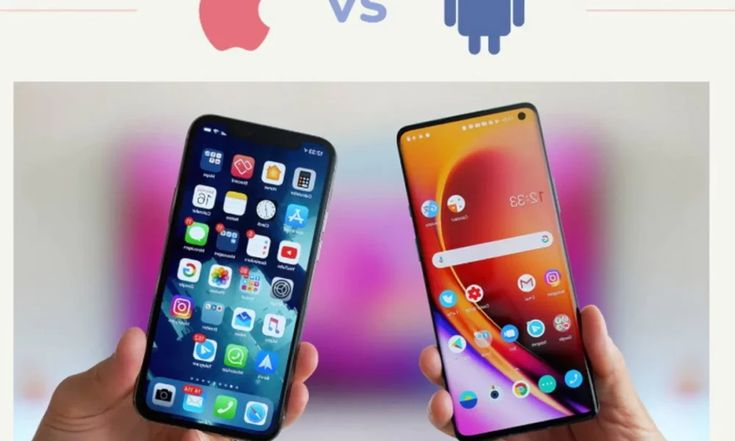
Choosing between iPhone and Android in 2026 is no longer a simple decision. Both platforms have evolved with powerful AI features, flagship-level performance, and premium design, making the competition closer than ever.
In this high-CPC, SEO-optimized guide, we break down iPhone vs Android 2026 based on price, performance, camera, battery, software, and long-term value—so you can decide which smartphone is truly worth your money.
📱 iPhone vs Android 2026 (Quick Overview)
| Category | Winner |
|---|---|
| Performance | iPhone |
| Camera (Photo) | Android (Pixel/Samsung) |
| Camera (Video) | iPhone |
| Battery & Charging | Android |
| Software & Updates | iPhone |
| Customization | Android |
| Value for Money | Android |
👉 Bottom line:
- iPhone = premium, stable, long-term investment
- Android = flexible, innovative, better value options
🍏 iPhone 2026: Premium Performance & Ecosystem


6
The latest iPhones, such as the iPhone 17 Pro Max, are designed for users who want top-tier performance, reliability, and seamless integration.
✔ Key Advantages:
- A-series chips deliver industry-leading speed
- Best-in-class video recording quality
- Long-term software updates (5–7 years)
- Smooth ecosystem (Mac, iPad, Apple Watch)
❌ Downsides:
- Higher price compared to Android
- Limited customization
- Slower charging speeds
👉 iPhones are ideal if you want a premium, long-lasting smartphone with minimal issues.
🤖 Android 2026: Innovation, AI & Flexibility


6
Android smartphones—from brands like Samsung and Google—offer more variety, innovation, and price flexibility.
✔ Key Advantages:
- Advanced AI features (real-time editing, smart assistants)
- Better camera versatility (zoom, night mode)
- Faster charging & larger batteries
- Wide range of prices (budget to flagship)
❌ Downsides:
- Software updates vary by brand
- Some apps less optimized than iOS
👉 Android is perfect if you want freedom, customization, and cutting-edge features.
⚡ Performance Comparison (Speed & Power)
In 2026, performance is driven by next-gen chipsets:
- iPhone: Apple A-series chip (fastest single-core performance)
- Android: Snapdragon 8 Elite Gen 5 / Google Tensor G5
👉 Winner: iPhone
iPhones still dominate in raw performance and optimization, making them ideal for gaming, video editing, and heavy multitasking.
📸 Camera Battle: iPhone vs Android


7
📷 iPhone:
- Best video recording (cinematic mode)
- Natural colors & consistency
📷 Android:
- Better zoom (Samsung Ultra series)
- Superior AI photography (Pixel phones)
👉 Winner: Depends on use
- Video → iPhone
- Photos → Android
🔋 Battery Life & Charging
| Feature | iPhone | Android |
|---|---|---|
| Battery Optimization | ⭐⭐⭐⭐ | ⭐⭐⭐⭐ |
| Charging Speed | ⭐⭐⭐ | ⭐⭐⭐⭐⭐ |
| Battery Size | Medium | Large |
👉 Winner: Android
Android phones offer faster charging and bigger batteries, making them better for heavy users.
💰 Price & Value for Money
iPhone:
- Premium pricing
- Higher resale value
- Long lifespan
Android:
- More affordable options
- Flagship features at lower prices
- Better value for budget users
👉 Winner: Android
You get more features for less money, especially in mid-range devices.
🔐 Software, Security & Updates
iPhone:
- 5–7 years of updates
- Strong privacy controls
- Consistent experience
Android:
- 3–7 years (depends on brand)
- More customization options
- Improving security standards
👉 Winner: iPhone
Apple still leads in long-term software support and security consistency.
🧠 AI Features in 2026 (Game Changer)
AI is now a major factor in choosing a smartphone:
iPhone:
- On-device AI processing
- Smart automation & privacy-focused AI
Android:
- Advanced AI photography
- Real-time translation & voice AI
- Deep Google AI integration
👉 Winner: Android
Android leads in AI innovation and features.
