


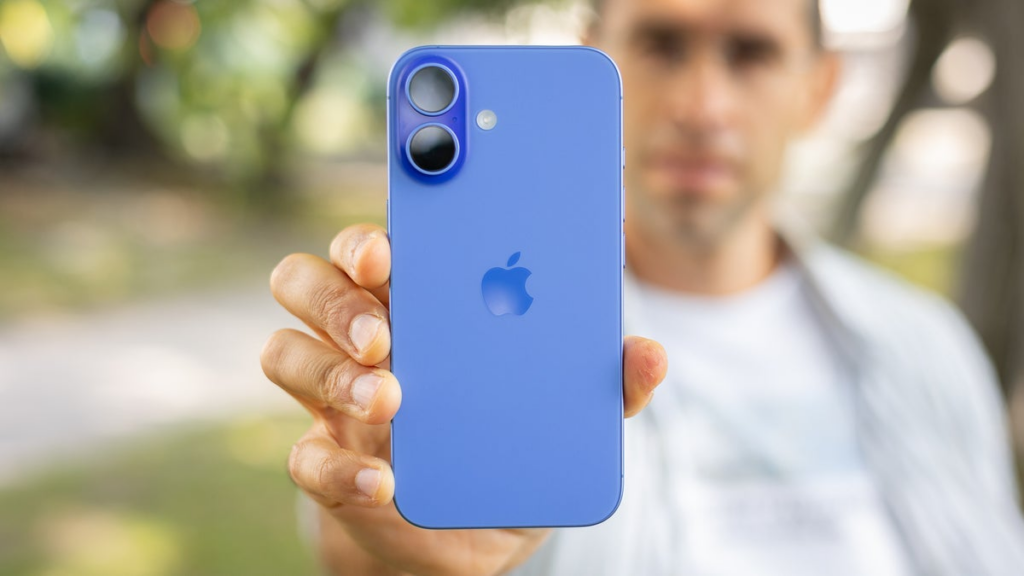
Despite a nationwide sales ban, the iPhone 16 has made its way into Indonesia, with reports confirming approximately 12,000 units entering the country as of November 2024. The devices, banned due to Apple’s failure to meet domestic regulations, are arriving through alternative channels, sparking significant interest and controversy.
How the iPhone 16 is Entering Indonesia
According to the Indonesian Ministry of Industry, the Centralized Equipment Identity Register (CEIR) system has recorded over 12,000 iPhone 16 IMEI numbers, indicating the presence of these devices in the country. The primary channels include:
- Passenger Luggage: Individuals bringing in up to two units, strictly for personal use and prohibited from resale.
- Diplomatic Shipments: Facilitated by the Ministry of Communication and Information Technology.
However, a conflicting report from the Directorate General of Customs and Excise (DJBC) reveals a lower figure—5,448 units—imported between January and October 2024.
Why is the iPhone 16 Banned in Indonesia?
Apple has yet to meet Indonesia’s Domestic Component Level (TKDN) certification requirements, which mandate that nearly 50% of a smartphone’s components must be locally sourced or manufactured. Without this certification, the iPhone 16 cannot be sold legally in the country.
While Apple has pledged a $1 billion investment to establish an AirTag manufacturing facility in Batam, this initiative doesn’t address the TKDN criteria for mobile devices. Minister of Industry Agus Gumiwang Kartasasmita clarified that:
- AirTags are considered accessories and do not qualify under the regulations for mobile phones, tablets, or handheld computers.
- The factory will produce 65% of AirTag’s global supply, but this investment does not directly contribute to meeting local content requirements for the iPhone.
Apple’s Long-Term Strategy in Indonesia
Despite being one of the world’s largest markets with 280 million people, Apple has not established significant manufacturing operations in Indonesia. Instead, the tech giant has focused on initiatives like:
- Operating Apple Developer Academies in the country since 2018.
- Renewing investment commitments every three years to maintain its presence.
Apple’s previous $10 million investment agreement expired in 2023. For the iPhone 16 to gain legal approval, Apple must establish a new 2024-2026 investment agreement that satisfies the TKDN requirements.
Implications for Apple and Indonesia
The unauthorized entry of iPhone 16 units underscores the high demand for Apple products in Indonesia, despite regulatory hurdles. Here’s what’s at stake:
- Consumer Demand: The popularity of the iPhone 16 highlights the untapped potential of the Indonesian market for Apple.
- Regulatory Compliance: Without meeting local content requirements, Apple risks losing ground to competitors like Samsung and Xiaomi, which already comply with Indonesian regulations.
- Market Opportunity: As Apple continues to negotiate with the Indonesian government, the company may need to adopt a more localized manufacturing strategy to secure a foothold in this lucrative market.
What’s Next for Apple in Indonesia?
Apple’s next steps will likely focus on addressing regulatory challenges and securing TKDN certification. Key priorities include:
- Expanding local manufacturing capabilities to meet component requirements.
- Strengthening partnerships with Indonesian suppliers.
- Increasing investments in initiatives that align with the country’s industrial policies.
Until then, the entry of iPhone 16 units through unofficial channels reflects both the brand’s enduring appeal and the challenges of navigating complex regulatory landscapes.
